Edge Intelligence: Building the Neural Network for Intelligent Transportation Systems
As the blueprint for smart cities accelerates globally, Intelligent Transportation Systems (ITS) have transitioned from a localized upgrade to the definitive backbone of urban mobility. Driven by the convergence of Big Data, Artificial Intelligence, and the Industrial Internet of Things (IIoT), modern ITS aims to achieve pervasive perception, cognitive analysis, proactive services, and collaborative traffic management. Within this framework, data-driven intelligence has become the primary engine for optimizing urban transit.
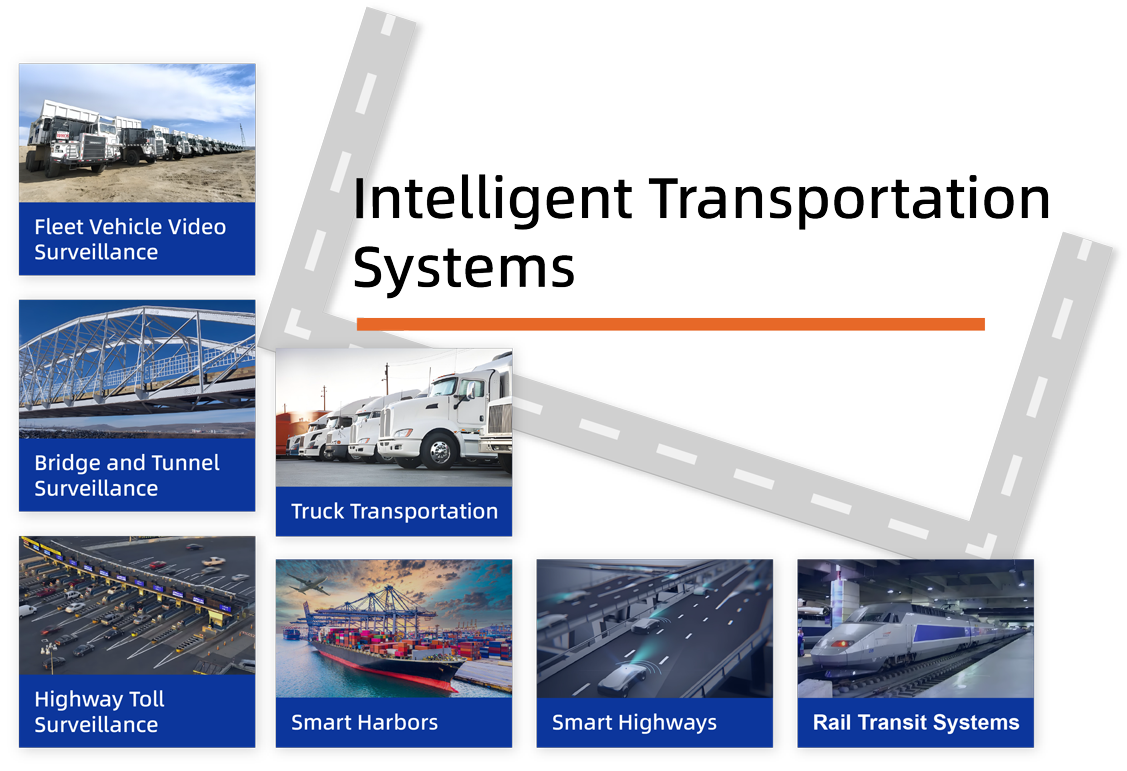
Today, intelligent transportation infrastructure is heavily deployed across diverse and demanding sectors, including smart highways, electronic surveillance, automated tolling, fleet telematics, bridge and tunnel telemetry, vehicle-to-everything (V2X) orchestration, smart harbors, and rail transit systems. However, as these edge devices proliferate, they generate an unprecedented torrent of high-definition video, real-time traffic telemetry, and mission-critical command data. Consequently, the transportation industry is facing a critical inflection point, demanding communication networks with significantly higher data transmission speeds, ultra-low latency, and ruggedized reliability to keep cities moving safely and efficiently.
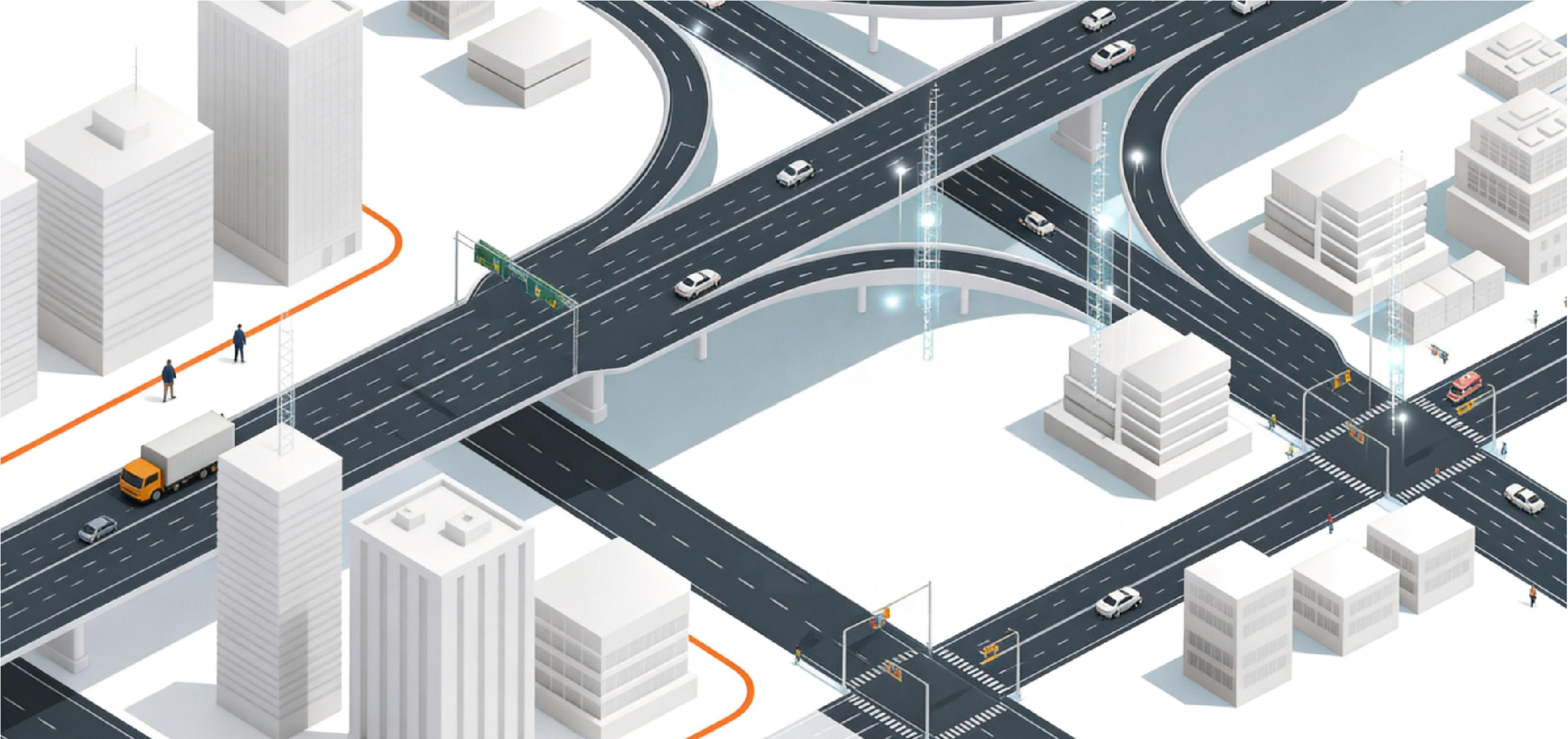
In the modern transportation landscape, the demand for "zero-latency" decision-making is no longer a luxury—it is a safety requirement. From tunnel traffic management to highway incident detection, traditional communication architectures are facing a bottleneck: the "Blind Transmission" model. By relying solely on cloud-based processing, these systems introduce unacceptable delays and create single points of failure.
To build the next generation of ITS, we must shift from simple connectivity to Edge Autonomy.
The Hurdle:
The Latency of "Blind Transmission"
Traditional ITS infrastructure often functions as a passive conduit. Sensors and controllers send raw, often high-frequency, data streams to remote monitoring centers. This leads to three critical inefficiencies:
Bandwidth Saturation
Constant transmission of redun- dant "noise" or heartbeat signals clutters the network.
Vulnerability
A disruption in the backbone connection can render local traffic signals or emergency sensors effectively "blind."
High Latency
Incident response times are gated by network round-trip times (RTT) to the cloud.
The Henrich Solution:
The Edge Neural Architecture
At Henrich, we propose a decentralized architecture where the "Edge" acts as the intelligent nerve center, processing data locally and acting in real-time.
▎Backbone Reliability (The Nervous System)
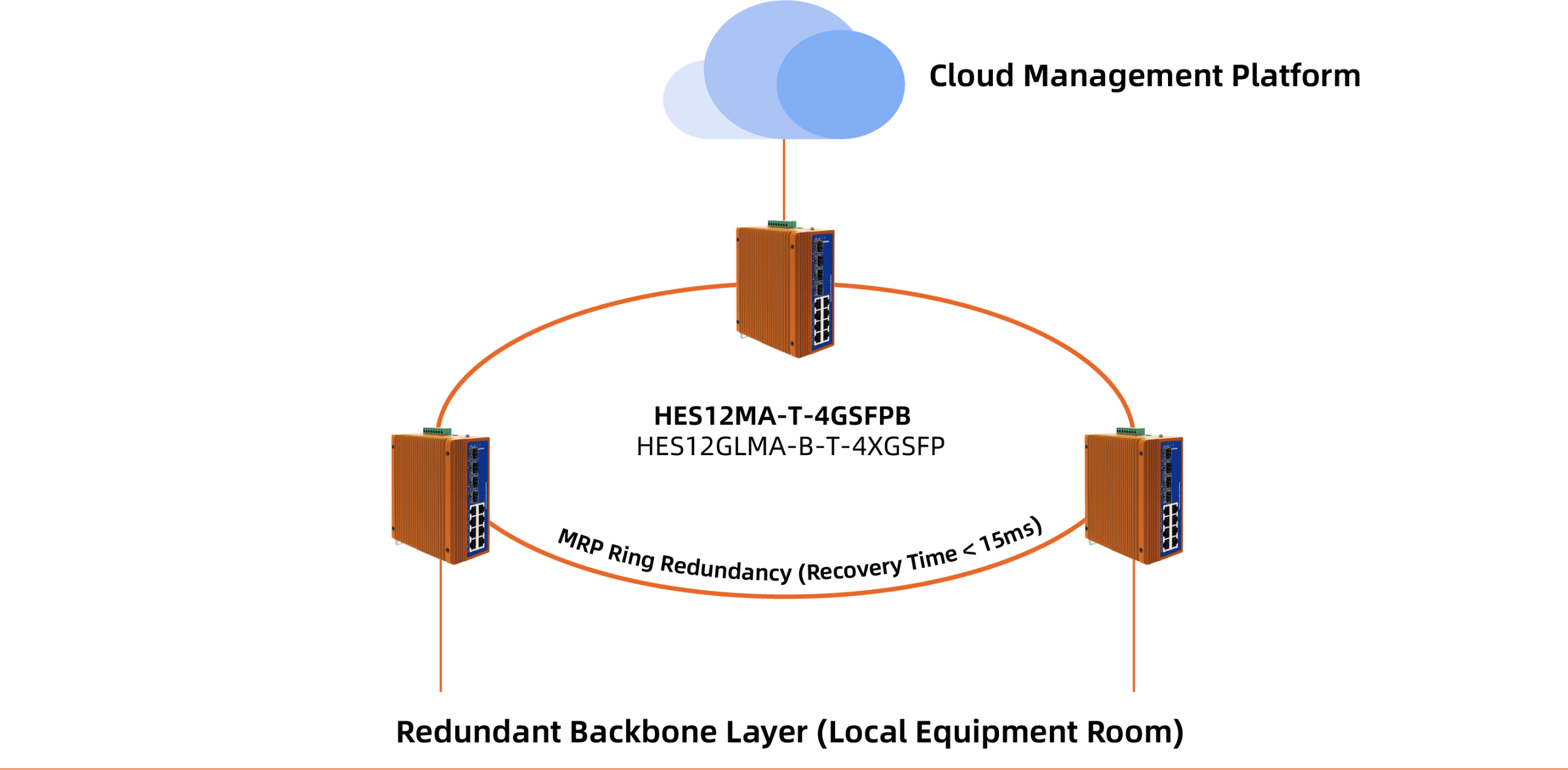
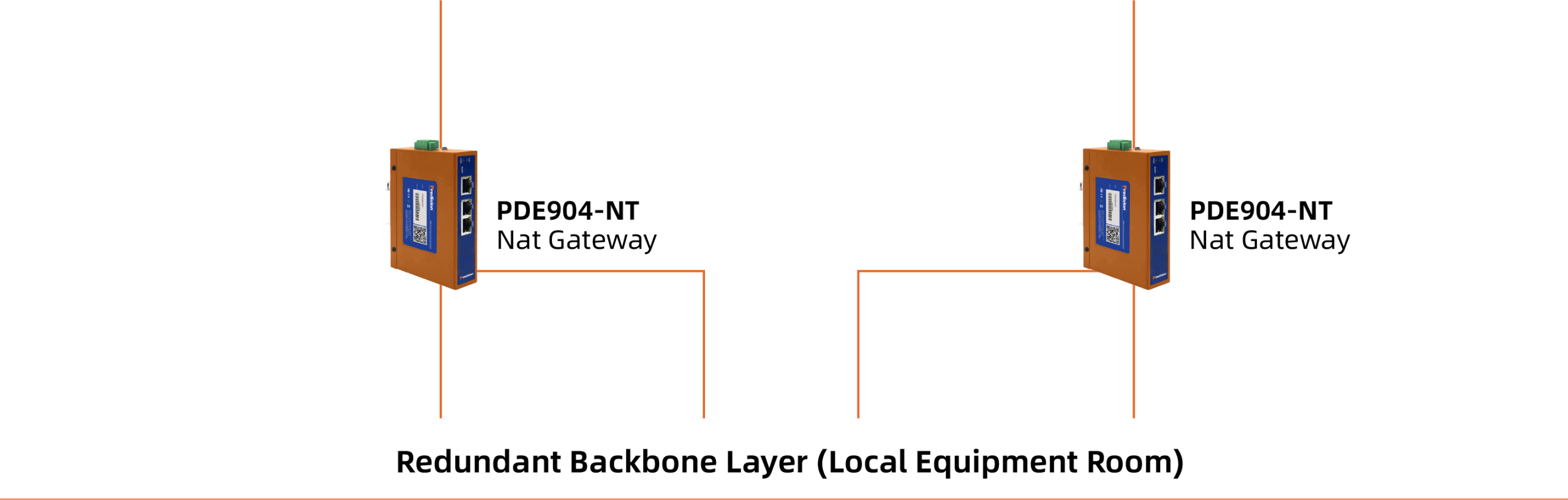
Reliability is non-negotiable. Our Layer 3 Managed Switches form the spine of this network. Leveraging Ring Redundancy Protocols (RSTP/MRP), we guarantee a network recovery time of less than 15ms. Even in the event of a fiber cut caused by roadwork or accidents, the transportation control signals remain un- disrupted.
Related Products >
▎Edge Intelligence Layer (Local Autonomy)
The core of our solution lies in our Industrial Gateway Solutions. These gate- ways function as the "local brain" of the traffic node:
PLC NAT Address Mirroring: Seamlessly bridge disparate IP segments in com- plex tunnel or intersection environments without manual re-addressing.
Local Logic Execution: By hosting localized rule-sets, our gateways can detect an anomaly (e.g., sudden braking patterns detected via serial sensors) and trig- ger a local relay or signal change in milliseconds—bypassing the need for cloud intervention.
Related Products >
▎Perception Layer (Field-to-Edge)
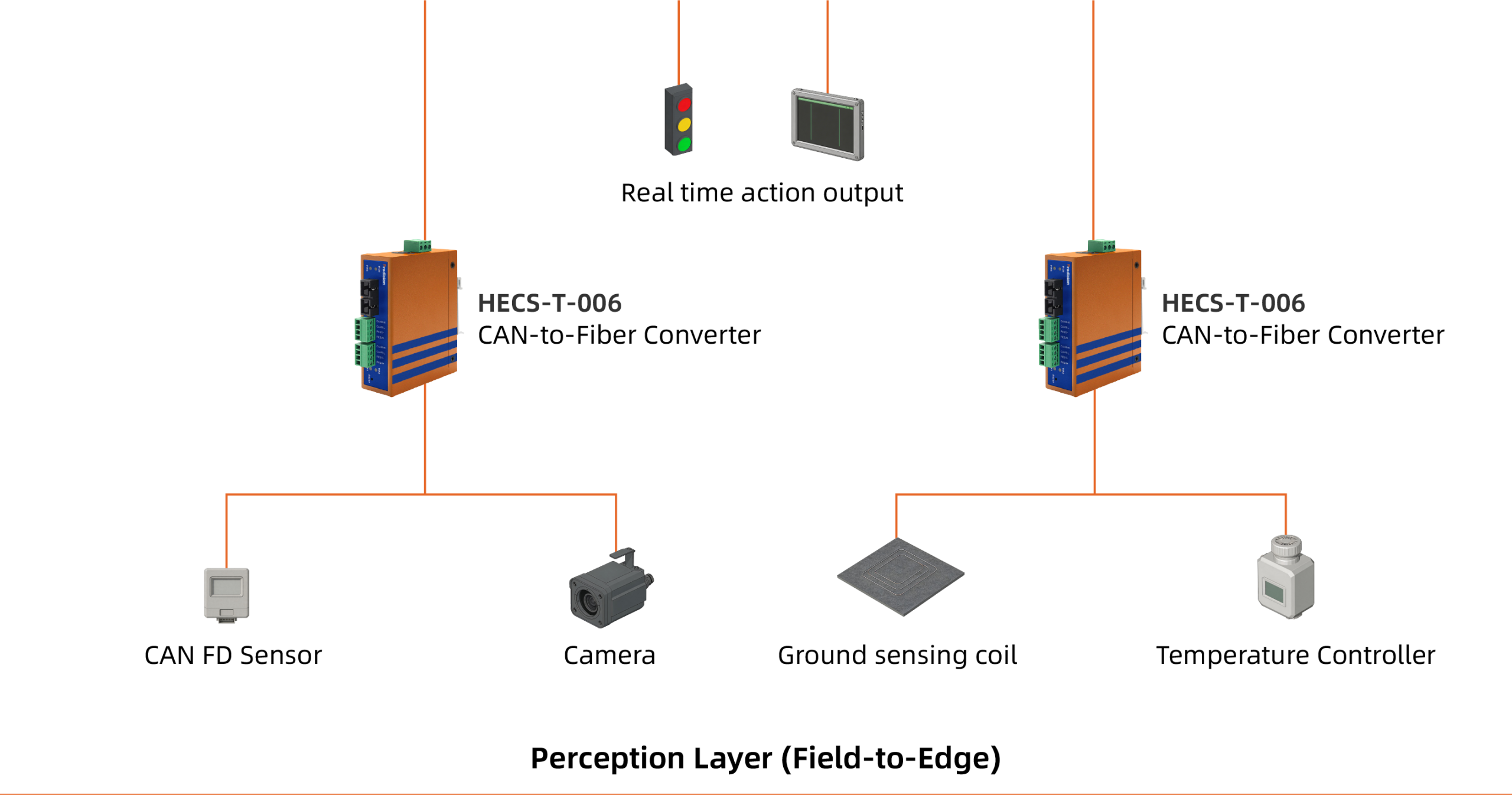
To manage high-speed traffic data, we utilize Henrich Industrial Serial/CAN Bus modules. These are not mere converters; they are the frontline data auditors. For instance, our CAN-to-Ethernet converters capture high-speed CAN FD traffic (up to 5Mbps) and perform initial protocol validation, ensuring that only rele- vant, actionable data moves forward into the network.
Related Products >
The Vision: Moving Beyond Connectivity
The future of transportation lies in autonomy. By deploying Henrich’s edge-centric communication modules, we aren't just building networks; we are building a distributed neural system that perceives, processes, and pro- tects. Whether it is a highway incident or a tunnel traffic surge, our system ensures that the information—and the subsequent action—is always where it needs to be: at the edge, at the moment of impact.

Ready to Get Started?
Drop us a message, we're here to help!
The Vision: Moving Beyond Connectivity
The future of transportation lies in autonomy. By deploying Henrich’s edge-centric communication modules, we aren't just building networks; we are building a distributed neural system that perceives, processes, and pro- tects. Whether it is a highway incident or a tunnel traffic surge, our system ensures that the information—and the subsequent action—is always where it needs to be: at the edge, at the moment of impact.
Ready to Get Started?
Drop us a message, we're here to help!